The roar of the crowd, the lightning speed of the players, and the razor-thin margins between victory and defeat – that’s NHL hockey. But amidst the exhilarating chaos, there are moments that can turn the tide of a game in an instant. Imagine the tension: a desperate clearing attempt, the puck soaring over the glass, and then…the ref’s whistle. Or picture a frantic goalmouth scramble, a mass of bodies obscuring the puck, the buzzer sounding, and then… the agonizing wait for video review. These “puck over glass” and goal-line situations are flashpoints of confusion and controversy, capable of swinging momentum and leaving fans and players alike scratching their heads.
Understanding these crucial NHL rules isn’t just about knowing the game; it’s about appreciating the strategy, the nuances, and the split-second decisions that define hockey’s greatest moments. Many have spent countless hours studying the rulebook and analyzing game footage. The goal is to bring clarity to these often misunderstood aspects of the game, helping you navigate the thrilling, sometimes baffling, world of NHL officiating.
Decoding the “Puck Over Glass” Rule
The “puck over glass” rule, officially known as the delay of game penalty for shooting the puck out of the defensive zone, is a staple of NHL regulations, designed to keep the game flowing and prevent teams from intentionally stalling. The core principle is simple: a player located in their defending zone who shoots the puck directly out of the playing surface in their own end will be assessed a minor penalty for delay of game. This rule aims to discourage players from simply launching the puck out of play to gain a stoppage and relieve pressure. The exact wording in the NHL rulebook emphasizes the action of shooting the puck outside the playing area from within one’s own defending zone without it being deflected.
To trigger the penalty, the puck must travel directly out of the playing area, clearing the dasher boards or protective netting without any intervening contact. If the puck deflects off another player, a piece of equipment, or even the glass itself before exiting the playing surface, the penalty is waived. The rule focuses on preventing intentional delays, and a deflection indicates a lack of direct intent to cause a stoppage. The defensive zone is defined as the area between a team’s own goal line and their own blue line. Thus, the player has to be within this zone for the rule to apply.
The reasoning behind the rule is rooted in game management. Without it, teams could consistently ice the puck in a manner that stops play, disrupting the game’s rhythm and frustrating fans. The rule encourages players to make smarter, more strategic plays to clear the zone, rather than resorting to simple, disruptive tactics. This promotes a more dynamic and entertaining game.
The Intentionality Factor
One of the most challenging aspects of the puck over glass rule lies in interpreting intent. Referees must determine whether a player deliberately shot the puck out of play to cause a stoppage, or if the action was simply an errant play. Referee discretion plays a significant role, making this one of the more subjective calls in hockey. A perceived misinterpretation of intent can lead to considerable controversy.
Calls can be controversial, for example, if a player attempts a pass that inadvertently sails over the glass. Was it a genuine attempt to make a play, or a calculated risk to relieve pressure? These situations often spark heated debates among fans and analysts alike. Sometimes, you see a player clearly trying to ice the puck, but with a little too much mustard on it, and the ref has to make a split-second decision. Other times a player panics and fires the puck over the glass with no other option available.
Exceptions to the Rule: A Detailed Look
The most common exception to the puck over glass rule is when the puck is deflected. Any deflection, no matter how minor, negates the penalty. If the puck hits another player, a stick, or even grazes the glass before going out of play, it is not considered a delay of game.
Another exception arises when the player is outside of their defensive zone when shooting the puck out of play. If a player is located in the neutral zone or the attacking zone, they can shoot the puck out of play without penalty (though other rules, like those governing high-sticking the puck out of play, might still apply). These exceptions highlight the rule’s focus on preventing intentional delays from within a team’s own defensive end. Scenarios have played out in high-stakes NHL games where a player has narrowly avoided a penalty because the puck grazed their own teammate’s leg before exiting the rink, demonstrating the nuance required in applying the rule.
Goal Line Scrums: Interference and Legality
Understanding Goalie Positioning and the Crease
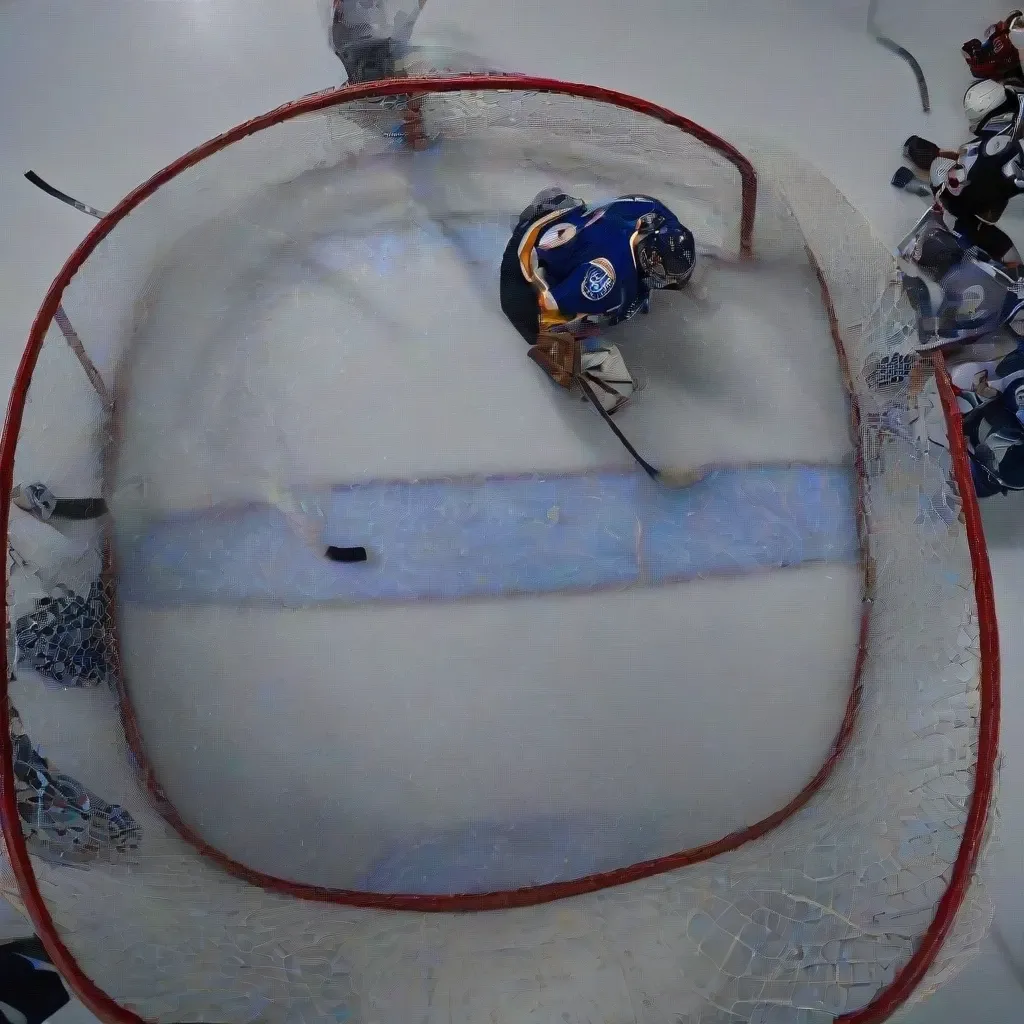
The area around the net, otherwise known as the crease, is the goalie’s domain. Within this semi-circular zone, the goalie has specific rights. A player cannot impede the goalie’s ability to move freely or make a save. However, players can still be effective in front of the net without crossing the line. Screening the goalie to obstruct their view is a common and legal tactic, as is battling for position to gain an advantage for a rebound. The key is to avoid physical contact that impairs the goalie’s performance. Players should maintain spatial awareness and avoid actions that could be interpreted as intentionally hindering the goalie.
Disallowed Goals: Common Scenarios
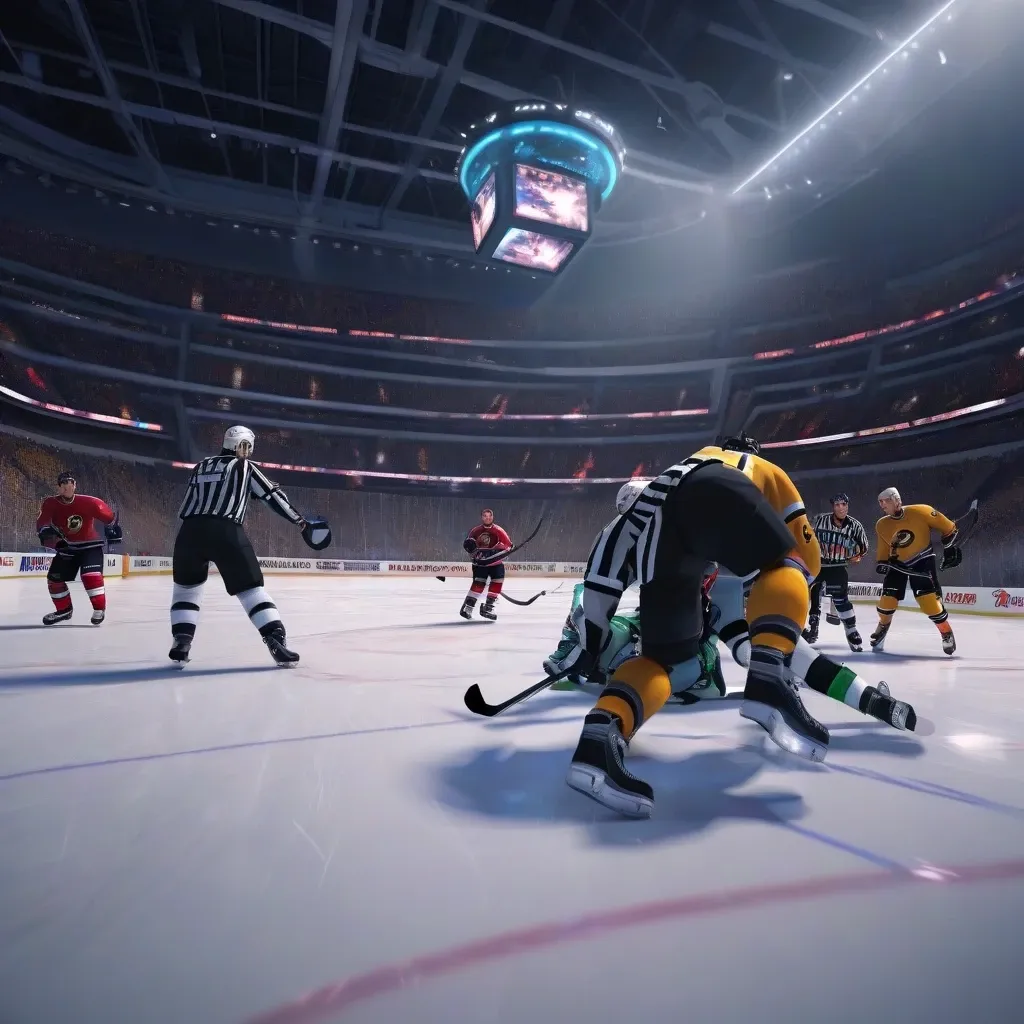
Several scenarios can lead to a disallowed goal, instantly negating what might appear to be a score. One frequent instance is a “kicked-in” goal. If a player uses a distinct kicking motion to propel the puck into the net, the goal is waved off. Similarly, a “high stick,” where the puck is contacted above the height of the crossbar and enters the net, results in a disallowed goal. Of course, “goalie interference” is another frequent culprit. But it’s not always cut and dry. Incidental contact with the goalie is often permitted, and a player being pushed into the goalie by a defender complicates the call. Was there intent? Did the player have time to avoid the contact? Referees often consider these questions.
The advent of video review has significantly impacted these calls. Referees can now review replays to determine if a goal should stand. In cases of potential goalie interference, the review process can be painstaking. Replays are closely scrutinized to assess the degree of contact. Did the attacking player impair the goalie’s ability to make the save? Was the contact unavoidable? These are just some of the questions officials need to consider.
Ultimately, the decision to allow or disallow a goal rests with the referee on the ice, sometimes in consultation with the video review team. Judgement calls are part of the sport, and these calls, especially those deciding a disallowed goal, often spark debate among fans and players alike.
The Impact on Game Strategy and Momentum
In the fast-paced world of hockey, split-second decisions and controversial calls can dramatically alter a team’s game strategy, shift momentum, and ultimately influence their chances of victory. Penalties such as “puck over glass” and tight goal-line calls are prime examples of these game-altering events. A “puck over glass” penalty, while seemingly minor, can throw a wrench into a team’s carefully planned offensive flow, handing their opponent a golden opportunity with a power play.
Suddenly, the penalized team is forced to scramble, disrupting their rhythm and forcing key players into defensive roles. This disruption not only stalls their offensive momentum but also provides the opposing team with a surge of energy and confidence. On the other hand, a successful penalty kill can act as a huge boost. It’s like scoring a goal without actually scoring. The team that successfully defends against a power play gains a palpable surge in confidence, energizing both players on the ice and the fans in the stands.
Coaches are constantly re-evaluating and adapting their game strategy based on these critical moments. Line matchups are adjusted to optimize defensive zone coverage, and offensive schemes are modified to exploit potential weaknesses in the opponent’s penalty kill. Decisions about when to pull the goalie or take a timeout often hinge on the current momentum of the game, which can be heavily influenced by these calls.
The Power Play Dynamic
The power play is a prime opportunity to shift game’s momentum. A successful power play can swing the game’s momentum. Converting on a power play drastically increases a team’s scoring chances, often leading to a significant advantage on the scoreboard. Teams meticulously analyze their power-play strategy, studying opponent’s penalty-killing weaknesses to capitalize on the advantage. A well-executed power play can demoralize the opposing team, making it harder for them to regain their footing.
Penalty Kill as a Momentum Shifter
A successful penalty kill is more than just preventing a goal; it’s a massive momentum shift. It’s almost as if the team has scored, injecting energy into the players and the crowd. This defensive stand showcases resilience and determination, rattling the opposing team and disrupting their planned offensive onslaught. For instance, consider a scenario where a team is down by one goal and successfully kills off a crucial penalty in the third period. This defensive victory can ignite a spark, fueling a late-game comeback and swinging the game’s outcome.
Coaching Strategies and Player Awareness
Coaching tactics in hockey are crucial for minimizing penalties like ‘puck over glass’ and maximizing scoring near the goal line. Coaches implement specific drills and strategies to instill discipline and awareness in players. Effective defensive zone exits are paramount, and coaches emphasize puck management to avoid unnecessary risks that lead to penalties. Simultaneously, developing a strong net-front presence is key to offensive success, requiring careful training to avoid goalie interference while creating scoring opportunities.
Drills for Defensive Zone Exits
One fundamental drill for improving defensive zone exits involves practicing rimming the puck along the boards. A player starts behind the net, receives a pass from a coach or teammate, and then executes a controlled, firm rim along the boards to a predetermined point outside the zone. This exercise teaches players to accurately judge the speed and angle required for a successful clear. Another drill focuses on making smart, short passes to teammates for a breakout. Players practice quick puck movement and supporting each other to transition the puck out of the defensive zone efficiently.
Tips for Net-Front Battles
Maintaining a strong net-front presence requires a delicate balance of aggression and discipline. One key tip is to always keep your stick on the ice, ready to redirect shots or pounce on rebounds. Players should also focus on establishing body position to screen the goalie and create traffic, without making contact that could draw a penalty. Another effective technique is to use quick, subtle movements to create space and disrupt the defender’s positioning, opening up opportunities for teammates to deliver the puck.
Controversies and Debates
The world of professional hockey is no stranger to controversy, and some of the most heated debates arise from split-second referee decisions that can alter the course of a game, or even a series. The dreaded ‘puck over glass’ penalty, intended to prevent delaying tactics, has been a constant source of contention. Imagine a pivotal game, tied in the final minute, when a player, under immense pressure, clears the puck, only for it to deflect slightly off another player’s stick before exiting the zone. The whistle blows, a two-minute penalty is assessed, and the opposing team scores on the ensuing power play, snatching victory from the jaws of defeat. Was it truly a deliberate attempt to delay the game, or simply an unfortunate accident born of the high-pressure environment? These are the questions that ignite fan fury and fuel post-game analysis for days.
Goal line scrums, those chaotic battles for the puck inches from the goal line, are another fertile ground for debate. Did the puck cross the line before the whistle? Was the goalie interfered with? Slow-motion replays often offer little clarity, leaving fans and analysts alike to argue over fractions of an inch and subjective interpretations of the rules. Then there’s the ever-contentious issue of goalie interference. A slight nudge, a skate in the crease – these seemingly minor infractions can lead to disallowed goals and enraged fan bases. Many of these controversial calls were looked over and eventually scrutinized by video review for confirmation.
Video Review: A Blessing or a Curse?
Video review was implemented with the intention of eliminating egregious errors and ensuring fair play. However, it has often become a source of controversy in itself. A classic example is a game where, after multiple viewings, it remains unclear whether a player’s skate was inside or outside the crease when contact was made. After minutes of agonizing deliberation, the call on the ice stands or is overturned, leaving one team celebrating and the other feeling robbed. The endless replays, the frame-by-frame analysis and the subjective interpretations mean there is always going to be a human error involved when reviewing plays. While it eliminates some human error, video review often introduces a new level of scrutiny, highlighting the inherent ambiguities in the rule book. Sometimes, the more you look, the less clear things become.
Conclusion
Predicting the Future
The NHL is a constantly evolving league, and future rule changes are always a topic of speculation. When it comes to “puck over glass” and goal-line scenarios, potential adjustments could focus on refining the interpretations of intent, technology to aid in accurate calls, or even experimenting with different zone configurations to minimize these situations altogether.
Understanding the intricacies surrounding “puck over glass” and goal-line plays unlocks a deeper appreciation for hockey’s strategy and the split-second decisions made on the ice. From deciphering deliberate delay-of-game penalties to analyzing the nuances of goalie interference, a comprehensive grasp of these rules elevates your enjoyment as a fan. For players and coaches, this knowledge translates to a competitive advantage, informing strategic plays and optimizing puck management.