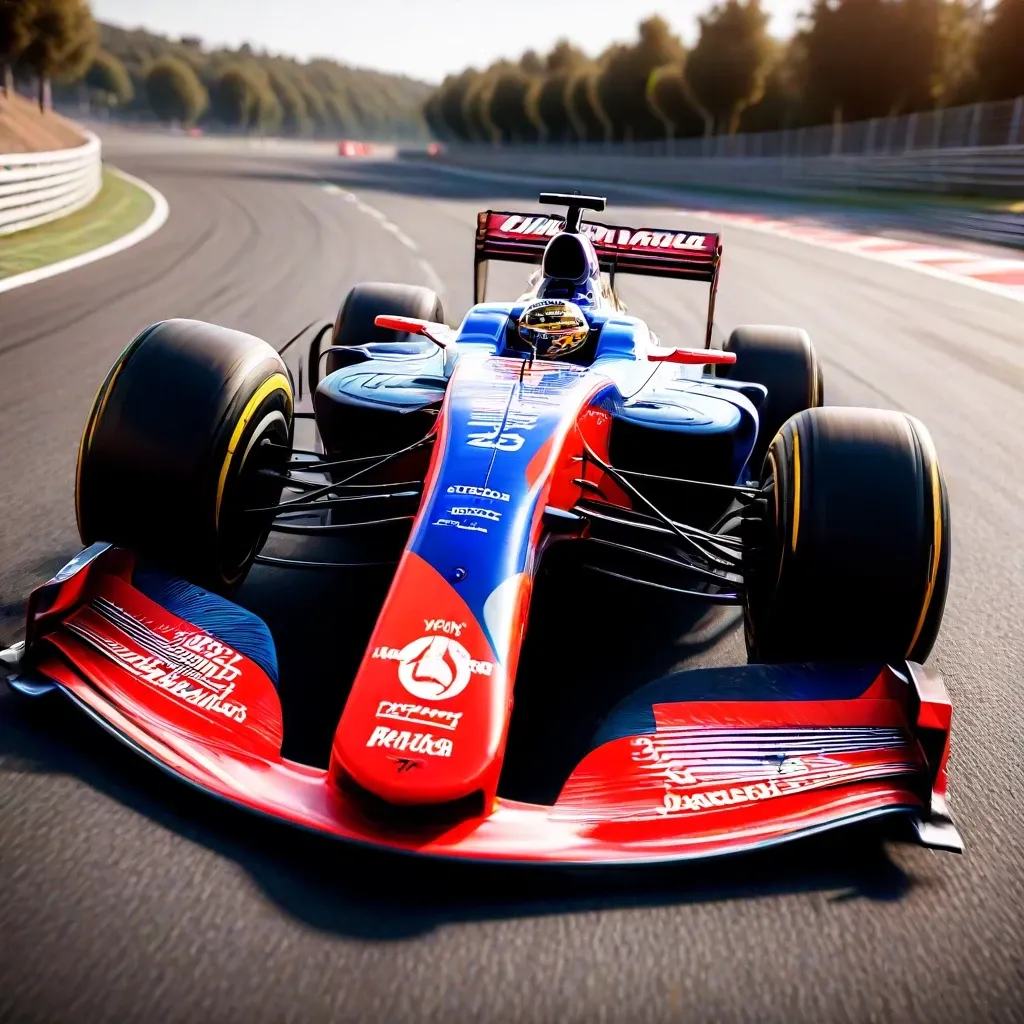
The roar of the engine, the blur of speed, the heart-stopping moment when one Formula 1 car slingshots past another – that’s the essence of racing! Overtaking, that daring dance of skill and strategy, is what ignites the passion of fans worldwide. But in modern F1, overtaking isn’t always a natural occurrence.
Enter DRS, the Drag Reduction System. This ingenious, and often controversial, system is designed to inject more overtaking opportunities into the high-speed chess match that is Formula 1. In essence, it’s a flap on the rear wing that opens to reduce drag, giving the following car a crucial speed boost in designated zones.
Love it or hate it, DRS has become an integral part of F1 strategy and race day drama. This article will get under the hood of DRS, revealing its secrets and giving you an expert-level understanding of this fascinating system. Get ready to decode DRS and see Formula 1 in a whole new light.
DRS: A Deep Dive
Component and Working Principle of DRS
The Drag Reduction System (DRS) is a sophisticated piece of technology in modern motorsport, primarily known for its application in Formula 1. At its core, DRS is designed to reduce aerodynamic drag, thereby increasing a car’s top speed and facilitating overtaking. The key component of DRS is the rear wing, specifically a movable flap within the wing assembly.
When DRS is activated, this flap opens, reducing the angle of attack of the wing. This, in turn, diminishes downforce and, more importantly, drag. The reduction in drag allows the car to accelerate more quickly and achieve a higher maximum speed. The system is controlled by the driver via a button on the steering wheel, but its use is governed by strict regulations to prevent it from becoming a constant speed enhancer.
The beauty of DRS lies in its simplicity, yet also in its effectiveness. Close the flap, increase the stall angle, create pressure, make the car stick to the ground.
Current Regulation
The FIA (Fédération Internationale de l’Automobile), the governing body of Formula 1, imposes stringent regulations on the use of DRS to maintain a balance between strategic overtaking and safety. One of the primary regulations is the “one-second rule.” A driver can only activate DRS when they are within one second of the car in front at a designated detection point. This proximity requirement ensures that DRS is used primarily for overtaking opportunities, not simply for gaining an advantage in clear air.
DRS activation is restricted to specific zones on the track, known as DRS zones. These zones are typically located on long straights where overtaking is more feasible and safer. The FIA determines the location and length of these zones before each race. Furthermore, DRS is typically disabled for the first two laps of a race after the start or a safety car period to prevent immediate and potentially chaotic overtaking maneuvers.
Safety is paramount when using DRS. The sudden reduction in downforce can make the car more unstable, particularly in wet or windy conditions. Therefore, DRS is automatically deactivated if the driver brakes or releases the activation button. Any violation of DRS regulations, such as using the system outside of the designated zones or when not permitted, can result in penalties ranging from warnings to drive-through penalties, reflecting the FIA’s commitment to fair play and safety.
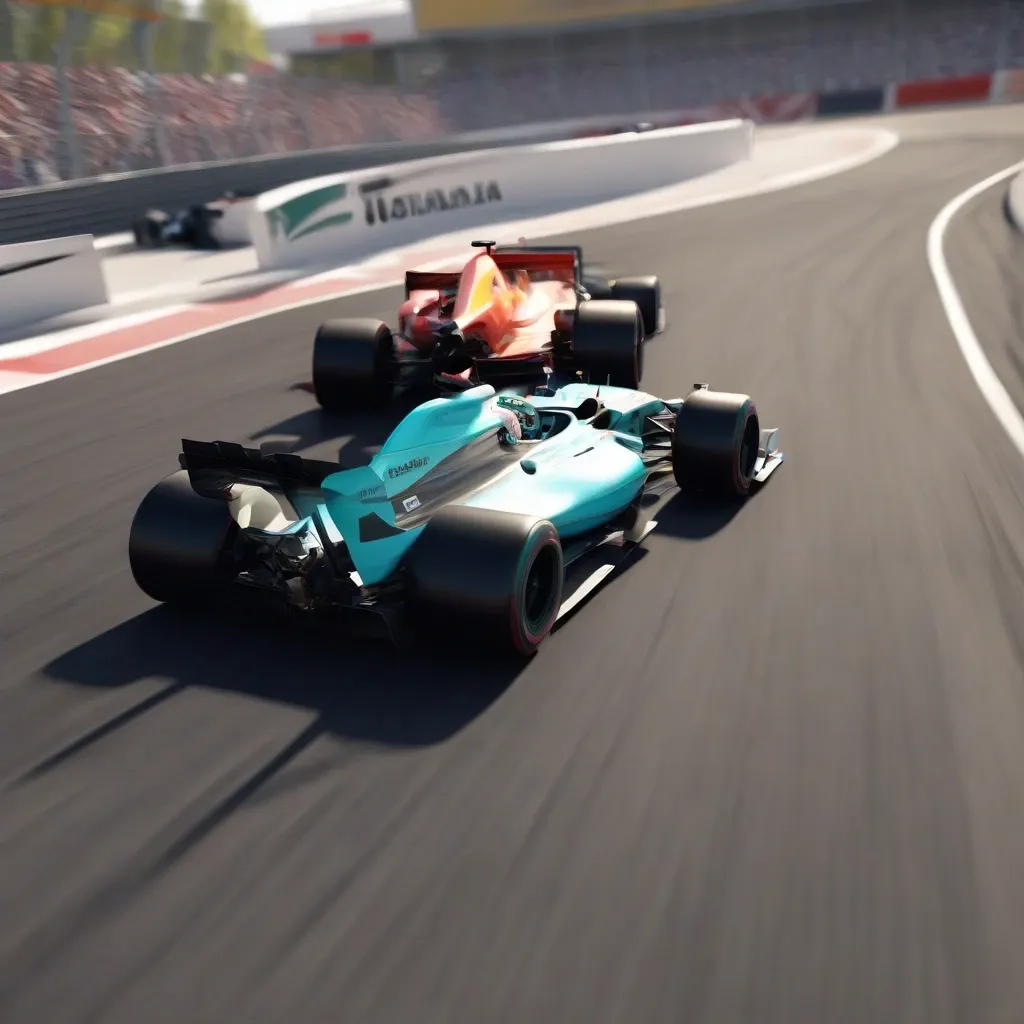
DRS and Overtaking Strategy
The Drag Reduction System (DRS) has become an integral, albeit sometimes controversial, component of Formula 1 racing. It’s intended to boost overtaking opportunities, but its effectiveness hinges on a complex interplay of factors, including track layout, car characteristics, and, crucially, race strategy. Examining both successful and unsuccessful DRS deployments reveals the nuances of its impact.
Teams invest heavily in data analysis to maximize DRS effectiveness. Telemetry data provides key insights into a car’s performance, including speed, acceleration, and braking points. Race simulations allow engineers to predict the optimal DRS activation points based on various scenarios. This constant stream of information empowers race engineers to guide drivers on precise DRS activation timings, factoring in the gap to the car ahead, wind conditions, and tire wear.
However, DRS isn’t a guaranteed overtaking button. Skilled drivers can sometimes anticipate an opponent’s DRS activation and strategically position their car to defend. There are instances where drivers have been effectively “baited” into activating DRS too early or in a sub-optimal location, leaving them vulnerable to a counter-attack. This cat-and-mouse game adds a layer of tactical depth to races. The second driver of the team must be aware of his teammate strategy to use DRS in a strategic manner.
Furthermore, the success of a DRS-assisted overtake often depends on the car’s overall performance package. A car with superior straight-line speed is obviously better positioned to exploit DRS, but aerodynamic efficiency and braking stability are also critical factors. Overtaking is a complex action to execute and must be planned.
When DRS works
One notable example of DRS brilliance is from the 2012 European Grand Prix in Valencia, in the straight between turns 10 and 12 Fernando Alonso driving a Ferrari gained the lead with a clinical use of DRS. The strategic placement and timing allowed him to overtake competitors. Another iconic moment from the 2011 German Grand Prix in Nurburgring, Lewis Hamilton using DRS on the start/finish straight of Mark Webber. This secured a win that was crucial.
When DRS fails
Not all DRS activations lead to glory. A classic example of a failed attempt happened during the 2018 Azerbaijan Grand Prix. Sergio Pérez tried to pass Kevin Magnussen on the main straight. Due to the DRS activation Pérez slightly misjudged the closing speed, resulting in car damage, and losing valuable track position. This can happen due to a driver error.
The Evolution and Controversies of DRS
The Drag Reduction System (DRS) has been a constant source of debate within Formula 1 since its introduction in 2011. Designed to artificially boost overtaking opportunities, DRS allows drivers within one second of the car in front to open a flap on their rear wing, significantly reducing drag and increasing top speed on designated zones of the track. This innovation aimed to combat the increasing difficulty of overtaking in modern F1, where aerodynamic wake and tire degradation often led to processional races. However, the implementation and consequences of DRS have sparked considerable discussion and division among fans, drivers, and racing purists alike.
The history of DRS regulations is marked by adjustments and refinements as the FIA sought to optimize its effectiveness. Initially, DRS was available in both qualifying and the race, with zones clearly marked on the circuit. Over time, the FIA modified the activation rules and zone layouts to try and strike a better balance between creating genuine overtaking opportunities and producing overly simplistic, ‘artificial’ passes. Despite these efforts, the fundamental criticisms of DRS persist amongst fans.
Arguments in favor of DRS
The FIA implemented DRS with the primary goal of enhancing the spectacle of Formula 1. The argument in favor of DRS centers around its perceived ability to create more overtaking maneuvers, leading to increased on-track action and excitement for viewers which helps engage more fans. Proponents suggest that DRS addresses the inherent challenges of overtaking in modern F1 cars, where aerodynamic dependencies and closely matched performance can make it difficult for drivers to pass even with a pace advantage. DRS, when it works, helps level the playing field and prevents races from becoming predictable processions with strategic action.
Arguments against DRS
Despite its intended benefits, DRS faces significant criticism. The most common argument against DRS is that it facilitates ‘artificial’ overtakes. Critics argue that DRS passes often lack the skill and strategic nuance of traditional overtaking maneuvers, as the speed advantage granted by the system can make the pass almost inevitable. This undermines the sense of accomplishment for the overtaking driver and diminishes the value of defensive driving skills. Furthermore, some believe DRS makes races more predictable, as drivers simply wait for DRS zones to execute a pass rather than attempting more creative maneuvers.
The Future of Overtaking Aids
New technologies
Formula 1’s relentless pursuit of speed and spectacle guarantees a future punctuated by groundbreaking technologies aimed at enhancing overtaking. Imagine active aero systems, far beyond current DRS, that dynamically morph wings and bodywork in real-time, optimizing airflow for both straight-line speed and cornering grip depending on the car’s proximity to rivals and track conditions. Energy recovery could evolve dramatically, with significantly more potent MGU-K units providing substantial, strategically deployed bursts of power for overtaking maneuvers. Even the rise of artificial intelligence could become a factor, with AI not in place of the driver, but assisting them with data-driven insights, suggesting optimal lines, braking points, and even ideal moments to deploy an overtake.
Looking further ahead, the ethical implications of such technologies become intriguing. How much assistance is too much? Where does the line blur between driver skill and technological augmentation? The FIA will face the challenge of regulating these advancements to maintain a fair and exciting competition.
Radical concepts like driverless racing, while still distant, offer a glimpse into a potential future where overtaking is orchestrated with machine precision. However, the soul of F1 lies in the human element – the courage, instincts, and split-second decisions of the drivers. The key will be integrating these advanced technologies in a way that amplifies, rather than replaces, the driver’s role, ensuring that overtaking remains a thrilling display of skill and bravery. Considering the incoming 2026 regulations, the focus will likely shift towards sustainable fuels and more efficient hybrid systems, which could indirectly impact overtaking strategies by altering power delivery and tire management.
Conclusion
The Drag Reduction System has undeniably reshaped the landscape of Formula 1 racing. While its introduction aimed to inject more excitement into the sport by facilitating overtaking, the debate continues regarding whether it has achieved this goal without compromising the authenticity of racing. For fans, understanding DRS – its mechanics, rules, and impact – enhances the viewing experience.
Ultimately, whether one loves it or hates it, DRS is an integral part of modern F1. Following expert advice and staying informed about its nuances will allow you to appreciate the strategic depth it brings to the track. So, delve deeper into the world of DRS, discuss its merits with fellow F1 enthusiasts, and form your own opinion on its place in the future of racing. The conversation is open, and your voice matters.